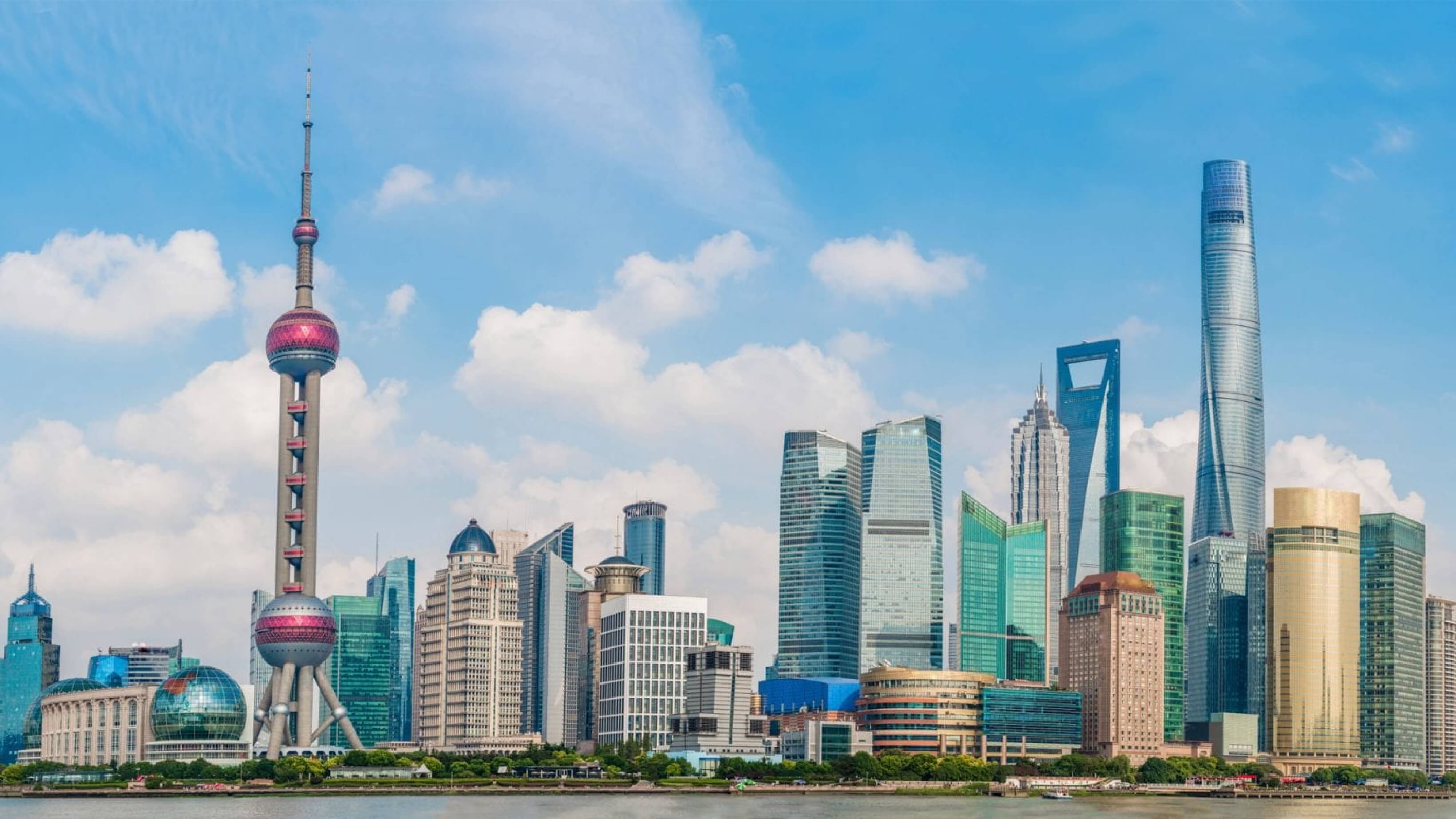
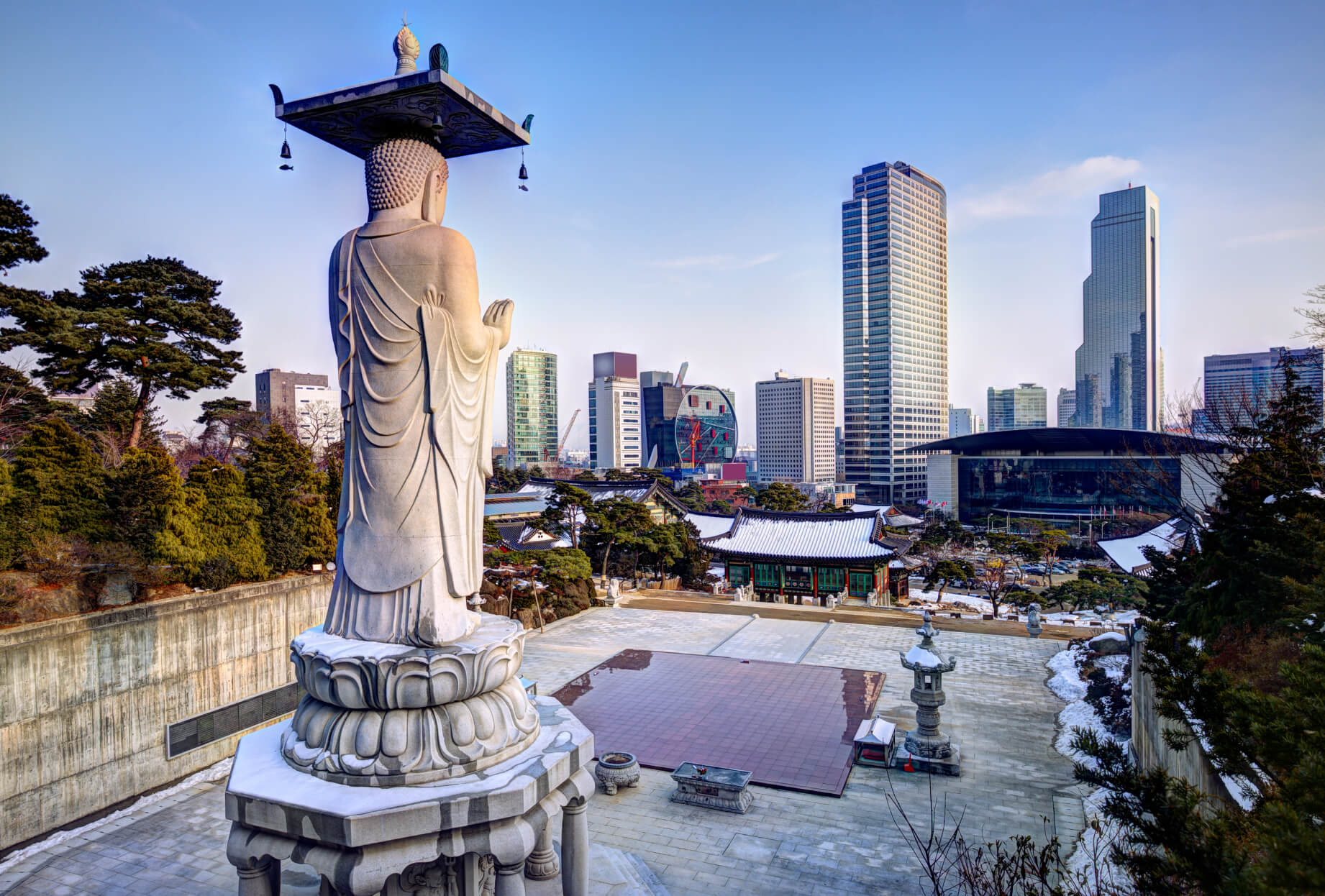
Seoul is South Korea's electric, round-the-clock capital — a vast, hyper-modern megacity where centuries-old palaces and hanok villages sit beneath glittering skyscrapers, and the world's fastest internet powers a nonstop scene of street food, shopping, nightlife and K-culture. Dynamic, ultra-convenient and surprisingly green, ringed by mountains and split by the Han River, it is one of Asia's most exciting and easy cities to live and teach in.
Seoul has a humid continental climate with four distinct seasons — hot, humid summers, cold, dry winters and gorgeous springs and autumns. It is home to the largest and most established expat community in Korea, with English widely taught and used across its countless international and language schools. Korean is the language of daily life, while world-class public transport, lightning-fast internet and a famously safe, convenient, 24-hour lifestyle make settling in remarkably easy.
Location Info
- The largest, most established expat scene in Korea, with endless things to do
- One of the safest megacities on Earth, with very low crime day or night
- A world-class metro, buses and KTX bullet trains make getting around effortless
Top Experiences
Gyeongbokgung Palace
The grandest of Seoul's five royal palaces, a sprawling Joseon-dynasty complex of throne halls, gates and gardens beneath the mountains — catch the changing-of-the-guard ceremony and rent a hanbok to enter for free.
Bukchon Hanok Village & Insadong
Wander the steep lanes of beautifully preserved traditional hanok houses, then browse the teahouses, galleries and craft shops of nearby Insadong, the heart of old Seoul.
Myeongdong, Hongdae & Gangnam
Shop and snack your way through neon-lit Myeongdong, party with students in buzzing Hongdae, and see the glossy side of the city in Gangnam — Seoul's nightlife and street food never sleep.
N Seoul Tower & Namsan
Ride the cable car up Namsan mountain to the landmark tower for sweeping views over the endless city, framed by the famous wall of love-locks.
The Han River & Bukhansan
Cycle, picnic and watch the fountains along the riverside parks, then escape to hike the granite peaks of Bukhansan National Park — a true mountain wilderness right on the city's edge.
The DMZ
Take a sobering day trip to the Demilitarized Zone on the North Korean border — one of the most fascinating and tense frontiers on Earth, just an hour from the capital.
Getting Around
Seoul has one of the best transport systems in the world, and you'll never need a car. The vast, spotless metro is fast, cheap and signed in English, complemented by an extensive bus network and a single tap-and-go T-money card that works on everything, including taxis. The KTX bullet train reaches Busan in under three hours, and the whole city is wonderfully walkable. Most journeys cost barely more than a dollar.
When to Go
Spring (April to May) and autumn (September to October) are glorious, with mild, sunny days, cherry blossoms or fiery foliage, and a packed festival calendar. Summers are hot and humid with a rainy season in July, while winters are cold and dry, occasionally snowy but bright — and the city is built to keep you warm.
Good to Know
- The Korean won (KRW) is the currency, and Seoul, while pricier than the rest of Korea, is still good value.
- Korean is the official language; English is widely taught and used in international schools.
- A T-money card covers metro, buses and taxis, and tops up at any convenience store.
- Internet is the fastest in the world, and the city is endlessly, conveniently connected.
- Seoul is one of the safest big cities anywhere, with very low crime at any hour.
- The city runs on Korea Standard Time (GMT+9).